Phubbing is Killing Your Intimacy: How to Set a 5-Minute ‘Digital Sunset

Introduction to Phubbing and Its Impact on Relationships
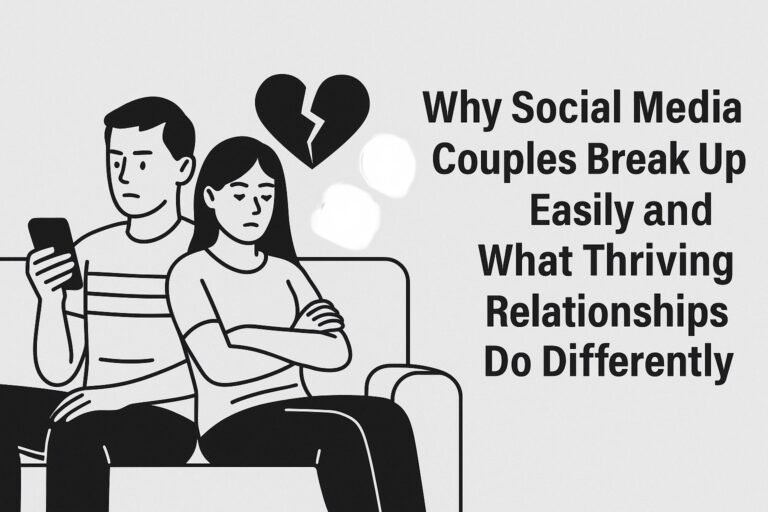
Phubbing, a blend of “phone” and “snubbing,” refers to the act of ignoring a conversation or interaction in favor of one’s mobile device. This phenomenon has emerged as a significant issue in contemporary relationships, where the presence of smartphones often detracts from meaningful interpersonal connections. Research highlights that over 70% of individuals report feeling neglected when their companions prioritize their devices over face-to-face interactions. This statistical evidence underscores the pervasive nature of phubbing in social settings.
The psychological effects of phubbing can be profound. Studies indicate that partners who experience phubbing often report feelings of unworthiness and irritation, leading to diminished relationship satisfaction. When one partner is preoccupied with their phone, it not only detracts from shared experiences but also fosters a sense of emotional disconnect. This can create a cycle where both individuals feel less valued, often resulting in increased conflict and reduced intimacy.
Moreover, the emotional toll of phubbing is further exacerbated by the tendency of individuals to compare their relationships with those portrayed on social media. This comparison can foster insecurities, as individuals may feel their interactions are inadequate in witness of curated online portrayals. The constant engagement with digital devices encourages a detachment from reality, undermining the quality of time spent with loved ones.
Given its impact, it is crucial to recognize and address phubbing behavior in relationships. Establishing boundaries regarding device usage, such as during shared meals or conversations, can enhance quality time and emotional availability between partners. Acknowledging the detrimental effects of this behavior is the first step towards fostering deeper connections and strengthening intimacy in our relationships.
Understanding the Concept of Digital Sunset
The concept of a digital sunset pertains to the intentional practice of disconnecting from digital devices and technology, fostering an environment for meaningful interactions and relationships. In today’s hyper-connected world, individuals often find themselves preoccupied with their smartphones, social media notifications, and various digital distractions. Consequently, this phenomenon, known as phubbing, can undermine personal relationships and reduce the quality of interactions. To counteract this trend, the digital sunset serves as a proactive measure to create dedicated time for individuals to engage with one another without digital interference.
Implementing a digital sunset involves designating a specific timeframe—such as five minutes—during which individuals put away their electronic devices. This timeframe acts as a buffer, allowing individuals to shift their focus onto their partners, friends, or family members. By actively choosing to disconnect from technology, individuals pave the way for enhanced connection, open communication, and emotional intimacy. It encourages participants to engage in conversations, share thoughts, and cultivate an environment where authentic dialogue can thrive.
The purpose of establishing such a practice is to prioritize relationships in a world where distractions are omnipresent. The digital sunset not only aids in building stronger bonds but also fosters mindfulness, allowing people to be fully present in the moment. By embracing this concept, individuals can counter the risks associated with constant digital connectivity and rediscover the joy of unmediated interactions. Thus, the digital sunset is not merely a temporary solution but rather a healthy relationship habit that, when practiced regularly, can significantly improve interpersonal dynamics.
The Relationship Between Technology and Intimacy
The advent of smartphones and digital communication has significantly transformed the way individuals interact with one another. While technology has undoubtedly facilitated connections across long distances, it has simultaneously contributed to a rise in phubbing — the act of ignoring someone in favor of a mobile device. This behavior can severely impact emotional intimacy in romantic relationships, as partners may find themselves physically present yet emotionally distant.
Research has shown that when individuals engage with their devices more than their partners, it leads to decreased levels of satisfaction and emotional connection. According to studies, distractions from phones often result in fragmented conversations, where individuals struggle to fully engage with one another. This diminished attention can foster feelings of neglect, resentment, and frustration, as one partner may perceive that the other values their smartphone over their relationship.
The lack of mindful communication caused by excessive phone use can impede the sharing of thoughts and feelings that foster intimacy. When partners are engrossed in their screens, they miss critical non-verbal cues such as eye contact and body language, which are vital for effective communication and emotional support. Moreover, the reliance on digital communication can lead to misunderstandings, as tone and intention often become lost in text messages or social media interactions.
Furthermore, the phenomenon of “phubbing” can create a cycle of disconnection, wherein one partner’s withdrawal provokes the other to seek solace in their device, perpetuating the pattern. This behavior ultimately erodes trust and emotional bonding, two fundamental components of a healthy relationship. As highlighted by various studies, a proactive approach is required to mitigate these effects, including the establishment of boundaries around technology use during shared time.
Signs That Phubbing is Affecting Your Relationship
In the digital age, the phenomenon of phubbing—ignoring someone in favor of looking at one’s phone—has become increasingly prevalent. This behavior can significantly impact relationships, often in ways that go unnoticed until deeper issues arise. Recognizing the signs that phubbing is affecting your relationship is crucial for fostering intimacy and ensuring the emotional well-being of both partners.
One of the most conspicuous signs is an increase in arguments. If you and your partner find yourselves constantly bickering about phone usage or struggling to feel heard during conversations, it may be a clear indication that phubbing is a factor. These arguments can escalate from minor disagreements into larger issues if not addressed adequately, leading to resentment or feelings of neglect.
Feelings of neglect often surface when one partner feels overshadowed by their counterpart’s device. If you start to feel lonely in your relationship, despite being together physically, this emotional disconnect may highlight a deeper problem rooted in smartphone usage. Partners may feel unvalued when their significant other’s attention frequently drifts to their digital screen instead of focusing on meaningful interactions.
Decreased communication is another significant indicator. Effective communication is a cornerstone of any healthy relationship, and when one or both partners consistently opt to engage with their devices over discussing topics important to their relationship, intimacy can suffer. This might manifest as silence during shared activities or a lack of engagement during one-on-one conversations, further contributing to feelings of distance.
Moreover, personal anecdotes from various couples emphasize this growing concern. Couples who have experienced the negative impacts of phubbing often recount similar feelings of frustration and isolation. Experts stress the importance of setting boundaries regarding device usage to revive connection and communication. Acknowledging and addressing these signs can serve as the first step toward reclaiming intimacy in your relationship.
Benefits of Limiting Phone Usage in Relationships
In an age dominated by smartphones, phubbing—ignoring one’s partner to focus on the phone—has emerged as a significant barrier to healthy relationships. By reducing phone usage, couples can experience numerous benefits that enhance their emotional connection and communication.
Firstly, limiting phone interaction fosters improved face-to-face communication. When partners prioritize in-person conversations over screen time, they create a space for meaningful dialogue. This direct communication allows them to express emotions, share thoughts, and engage in active listening, leading to a deeper understanding of each other’s feelings and perspectives. As a result, couples may find that limiting distractions promotes deeper discussions that strengthen their bond.
Moreover, reduced phone usage can significantly enhance emotional closeness. Engaging genuinely with one another—free from digital interruptions—encourages intimacy. Whether through shared activities, deep discussions, or simply being present with each other, partners can develop a stronger emotional foundation. This emotional connection is crucial for sustaining long-term relationships, as it creates a sense of security and belonging.
In addition to fostering communication and emotional intimacy, less time spent on phones can lead to more fulfilling shared experiences. By setting aside phones, couples can engage in activities together, from cooking meals to pursuing hobbies. These shared moments not only enhance enjoyment but also fortify the partnership by creating lasting memories.
Ultimately, intentionally reducing phone usage serves as a powerful tool for enhancing relationships. The shift away from digital distractions allows partners to engage meaningfully, fostering deeper emotional connections and improved communication. By recognizing the significance of quality time without phones, couples can cultivate more profound, fulfilling partnerships.
How to Implement a 5-Minute Digital Sunset
Establishing a 5-minute digital sunset routine involves several practical steps to set clear boundaries around phone usage and foster deeper connections with your partner. The first step is to select appropriate times for your digital sunset. Ideal moments include dinner time, before bed, or any shared activity that encourages face-to-face interaction. By consistently choosing these times, both partners can cultivate a habit that prioritizes quality time together over digital distractions.
Next, it is crucial to set specific boundaries regarding phone usage. Consider designating a physical space, such as placing phones in a designated area or turning them off completely for the 5-minute window. This gesture not only signals commitment to the routine but also minimizes the temptation to engage with electronic devices. A clear boundary can be further enhanced by discussing and agreeing on phone-free zones within your living space.
Encouraging partner participation is also essential for successfully implementing the digital sunset. Engage in open discussions about the benefits of a 5-minute break from screens and the positive impact of focused interactions. Suggest activities that can be enjoyed during this time, such as sharing thoughts about the day, practicing mindfulness, or even embracing a brief moment of silence together. By making it a shared goal, both individuals can hold each other accountable, leading to a greater likelihood of adherence to this routine.
Ultimately, the effectiveness of a 5-minute digital sunset routine hinges on consistency and mutual engagement. By establishing boundaries around digital devices and fostering an environment that values personal interaction, couples can enhance their intimacy while reducing the distractions that contribute to phubbing, thus paving the way for more meaningful connections.
Activities to Do During the Digital Sunset
During the designated five-minute digital sunset, couples have an excellent opportunity to engage in activities that enhance intimacy and foster connection. The key is to focus on one another without the interference of digital devices. Here are several suggestions to consider that can elevate the quality of your time together.
Firstly, heartfelt conversations can be incredibly powerful. Use this time to discuss your day, share your thoughts, or express appreciation for each other. Aim for open-ended questions that encourage deeper dialogue and emotional sharing. This will not only bring you closer but also reinforce your understanding of each other’s feelings and experiences.
Another engaging activity is playing a quick game, which can be both fun and lighthearted. Choose games that require collaboration or friendly competition, like a quick round of 20 Questions or a word association game. The laughter and playfulness can help dissolve any tension, and create joyful memories together.
Simple gestures, such as holding hands or giving a warm hug, can also be very impactful during the digital sunset. The act of physical touch releases oxytocin, often referred to as the “love hormone,” which can strengthen emotional bonds and promote feelings of closeness. Even spending five minutes engaged in a calming intimate activity like deep breathing together can shift the energy in the room.
Finally, consider reading a short passage from a favorite book or poem together. Sharing literature can spark discussion and stimulate thoughts that may lead you to understand one another better. Choosing something meaningful can create an enriching experience, enabling both partners to reflect on the themes and emotions being presented.
By consciously dedicating these five minutes to meaningful activities, couples can more effectively counteract the detrimental effects of digital distractions and cultivate a more intimate and fulfilling relationship.
Maintaining Commitment to Digital Disconnect
In an age dominated by technology, maintaining a healthy relationship requires intentional efforts to disconnect digitally. One effective method to bolster commitment to a digital sunset habit is through accountability. Sharing your goal of digital disconnection with a partner or close friend can create a supportive environment in which both parties encourage each other to adhere to the established boundaries. This could involve setting specific times for a digital sunset and checking in with each other to ensure compliance. The role of accountability cannot be overstated, as mutual commitment can create a powerful incentive to disconnect from devices.
Consistency is key when attempting to embed the practice of digital disconnect into daily life. Commencing with short, manageable durations—such as a five-minute digital sunset—can help build the habit. As individuals grow accustomed to these moments of unplugged time, they can gradually increase the duration. This gradual escalation not only reinforces the practice but also allows couples to discover the unique benefits of being present with one another. Over time, these consistent and intentional periods of disconnection can enhance emotional intimacy and foster more meaningful conversations.
Another strategy to strengthen the habit is to incorporate enjoyable activities during these unplugged moments. Engaging in a shared hobby, cooking together, or simply going for a walk can transform the experience of disconnection into one of connection. Such activities allow individuals to redirect their focus from screens to their partner, further reinforcing the motivation to maintain the commitment. Ultimately, by establishing accountability, embracing consistency, and consciously integrating enjoyable experiences, couples can effectively fortify their commitment to a digital sunset, thereby enhancing their intimacy and connection.
Conclusion: Embracing Intimacy in the Digital Age
In today’s fast-paced digital landscape, the phenomenon of phubbing—which involves snubbing one another in favor of smartphones and other devices—can significantly undermine the emotional bonds shared in personal relationships. As we have discussed, the act of disengaging from genuine conversations to scroll through social media or answer texts can lead to feelings of neglect and decrease overall intimacy. This disconnect from our partners not only hampers communication but can also foster a sense of loneliness, even when we are physically together.
Adopting a practice such as a 5-minute ‘digital sunset’ can prove profoundly beneficial for couples striving to nurture their relationship. By committing to set aside devices for a brief period, partners can focus on each other, engage in meaningful conversation, and genuinely reconnect without the distractions that modern technology often imposes. This simple act aids in restoring emotional closeness and signals a vested interest in prioritizing the quality of the relationship over the interference of digital notifications.
It is crucial for individuals to reflect on their daily habits concerning smartphone usage and to recognize the subtle ways in which these habits may impact their romantic connections. Are your devices inadvertently becoming barriers to intimacy? By being mindful and deliberately reducing screen time, individuals can foster an environment that encourages dialogue, empathy, and deeper understanding. Ultimately, combatting phubbing demands intentional effort and a willingness to embrace moments of togetherness, paving the way for a more resilient partnership in the digital age.