From Business Partners to Lovers: Why Your Marriage Needs a ‘Weekly Sync’
Introduction: The Dual Role of Spouses
In modern society, the roles of spouses have evolved beyond traditional boundaries, merging both personal and professional lives. This transformation has led to a unique dynamic where spouses not only share a marital bond but also engage as partners in business ventures. However, navigating the complexities of being both spouses and business partners presents distinct challenges. Managing professional commitments alongside personal relationships can often lead to stress, miscommunication, and conflicts.
The duality of these roles necessitates a refined approach to communication. Effective dialogue is essential in preventing professional issues from spilling into personal life and vice versa. It is common for couples to face difficulties in delineating their professional discussions from personal ones; the blurred lines may result in misunderstandings and emotional strain. Establishing clear boundaries can assist in maintaining a harmonious balance between the two spheres.
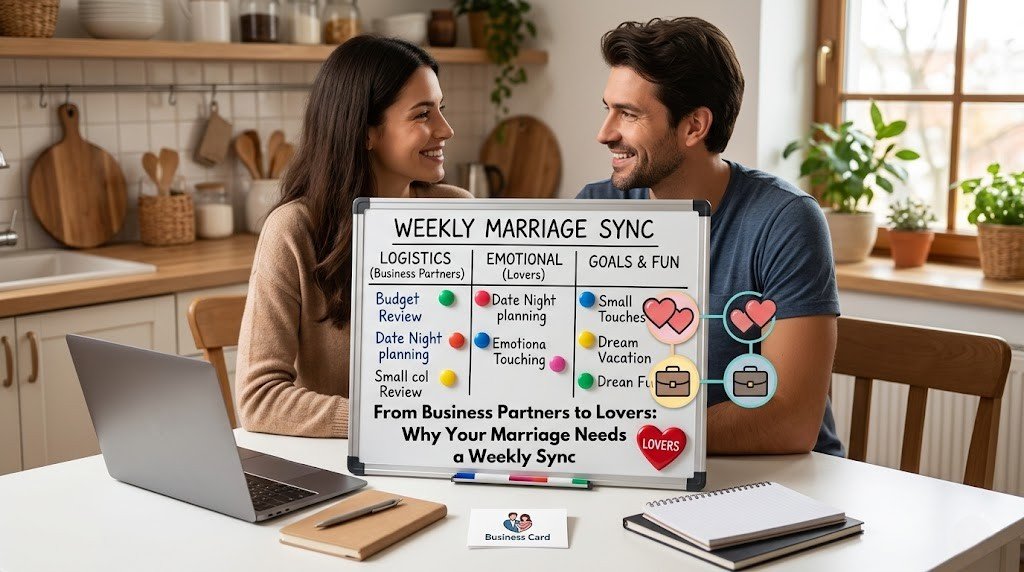
Moreover, regular check-ins or syncs can foster understanding and cohesion. These meetings serve as a dedicated time for couples to delve into both business operations and marital concerns, reaffirming their commitment to each other as partners both at home and in their professional endeavors. By prioritizing these conversations, spouses can enhance their communication skills, discuss pressing issues, and identify solutions collaboratively.
In essence, recognizing and addressing the intertwined nature of personal and professional roles is vital for couples navigating this landscape. When spouses cultivate a strong foundation of communication, they can effectively manage their responsibilities and enjoy the rewards of both their marriage and business partnership.
What is a Weekly Sync?
A weekly sync in the context of marriage refers to a dedicated time set aside for both partners to communicate openly and effectively about various aspects of their lives. This practice fosters better understanding and alignment between partners, whether related to personal goals or shared professional endeavors. Generally, a weekly sync occurs once a week, although couples might choose a frequency that aligns best with their schedules and needs.
The ideal duration for these meetings typically ranges from 30 minutes to an hour. It is essential that this time is free from distractions, so selecting a quiet and comfortable setting, such as a cozy living room or a peaceful café, can enhance the quality of the discussion. Creating a conducive environment encourages a sense of openness and makes it easier for both partners to express their thoughts without outside interruptions.
During a weekly sync, various discussion points can be addressed. Personal topics may encompass relationship dynamics, emotional well-being, and family matters, while professional aspects might include work-life balance, goals for career advancement, or collaborative projects. It is beneficial for partners to prepare an agenda beforehand, ensuring that all vital subjects are covered. For example, a couple might discuss upcoming deadlines, personal aspirations, or any conflicts that need resolution. This structured approach not only aids in improving communication but also reinforces the partnership in navigating both personal and professional challenges together. By integrating a regular sync into their routine, couples can significantly enhance their emotional connection while staying aligned on various life aspects.
Benefits of Having a Weekly Sync
Engaging in a weekly sync can significantly enhance the quality of communication between partners. This dedicated time allows both individuals to express their thoughts and feelings openly, fostering a space for sincere dialogue about their experiences. Improved communication is vital in any relationship, particularly in a marriage where both partners often juggle various responsibilities and face daily challenges. A scheduled sync acts as a proactive approach to share insights and updates about personal and professional setbacks, reinforcing a sense of teamwork and support.
Moreover, these weekly discussions help deepen the understanding of each other’s challenges. Life’s demands can lead partners to operate in silos, causing feelings of isolation or resentment. By coming together to discuss weekly experiences, couples can empathize with one another, learning to recognize when their partner may be experiencing undue stress or facing obstacles. This shared understanding cultivates compassion and encourages partners to step up in providing necessary support.
Another noteworthy benefit is the enhancement of emotional connection. Regularly investing in open communication can fortify intimacy, allowing couples to reconnect on a deeper level. By sharing not only struggles but also triumphs and aspirations during these syncs, partners can cultivate a sense of belonging and affirmation within the marriage. This practice contributes to nurturing intimacy and prevents the emotional distance that may grow when partners fail to regularly engage in meaningful conversations.
Furthermore, by proactively addressing small disagreements and miscommunications during these syncs, couples may find themselves less prone to larger conflicts over time. Weekly syncs encourage individuals to voice concerns before they escalate, ultimately promoting a more harmonious and understanding relationship.
Creating a Safe Space for Conversation
Establishing a safe and open environment for discussions within a marriage is essential, particularly when partners transition from business colleagues to romantic partners. This transformation requires fostering a space where both individuals can articulate their thoughts, feelings, and fears without the risk of judgment. A non-judgmental atmosphere encourages honesty and transparency, which are vital for nurturing a healthy relationship.
One effective way to create this safe space is to schedule a dedicated time for these conversations, ideally in a private and comfortable setting. This allows both partners to mentally prepare and prioritize their emotional exchange. Make it a ritual that both spouses look forward to, which can help reinforce the importance of communication in the relationship.
In addition, the use of active listening techniques is crucial. Each partner should practice giving their full attention to the other, encouraging them to share their thoughts without interruption. This demonstrates respect and acknowledges the importance of one another’s feelings. Additionally, summarizing what the partner has said can affirm their message and promote greater understanding.
Another important aspect is the tone and body language utilized during these discussions. Maintaining a calm demeanor and an open posture can significantly contribute to a sense of security. Avoiding accusatory language or negative facial expressions can reduce defensiveness, which enables deeper conversation.
Finally, it is essential to establish and respect boundaries. Each partner should feel empowered to share their limits regarding topics that may be sensitive or triggering. Establishing these guidelines not only nurtures trust but also allows the conversation to focus on constructive dialogue rather than confrontation. By implementing these strategies, couples can cultivate a safe space that fosters meaningful discussions and strengthens their bond.
Structuring Your Sync: Key Topics to Cover
In the journey of transforming a business partnership into a romantic relationship, regular communication is paramount. Establishing a weekly sync can serve as an effective platform for couples to discuss crucial areas of their lives, paving the way for deeper understanding and intimacy. Here are some essential topics that should be covered during these syncs.
First, consider addressing work-related issues. This encompasses discussing professional goals, upcoming challenges, and respective workloads. Understanding each partner’s work life will foster a shared sense of purpose and support, while also reducing the chances of misunderstandings. Sharing achievements at work is equally important, as it provides an opportunity to celebrate each other’s successes, enhancing overall morale.
Next, family matters should also be discussed. Couples may have children or extended family obligations that require attention. By openly communicating about parenting strategies, schedules, and family commitments, couples can ensure that both partners feel equally engaged and supported. This clear communication helps prevent resentment and enables a more stable family environment.
Personal growth is another vital topic to contemplate during your sync. Discuss individual aspirations, hobbies, and educational pursuits that each partner might be interested in. Encouraging each other’s growth not only strengthens the relationship but also nurtures a culture of self-improvement and mutual encouragement.
Additionally, setting collective goals can be a significant part of your sync. Whether they involve financial planning, travel, or shared projects, having goals gives couples something to work towards together, reinforcing their bond. Lastly, dedicate time to relationship enrichment. This can include discussing affection, quality time, and addressing any issues or suggestions for improvement, ultimately leading to a more fulfilling connection.
It is essential for couples to tailor their syncs uniquely to their needs and circumstances. Personalizing the agenda ensures that both partners feel valued and heard, enriching the overall experience.
Navigating Conflicts and Difficult Conversations
Conflict is an inevitable aspect of any relationship, including those between partners who are also business collaborators. During your weekly syncs, it is crucial to establish a safe space for open discussions, ensuring that both partners feel respected and valued, even when addressing difficult topics. One effective strategy for handling conflicts is to employ active listening techniques. This means fully concentrating on what your partner is saying, rather than simultaneously planning your response. By demonstrating genuine interest and validating their feelings, you can create a more supportive environment for both parties.
When conflicts arise, it is beneficial to approach the conversation from a place of curiosity rather than hostility. Frame your questions in a way that invites dialogue. For instance, instead of accusing your partner of neglecting their responsibilities, you might ask, “Can we discuss how we can better support each other in our roles?” This method encourages collaboration and helps maintain a constructive tone throughout the conversation.
Using ‘I’ statements is another recommended practice. Instead of saying, “You never listen to me,” try expressing your feelings by saying, “I feel unheard when my ideas are not acknowledged.” This minimizes defensiveness and helps your partner understand your perspective. Additionally, consider implementing a ‘time-out’ clause in your syncs. If emotions run high, agreeing to take a brief break can allow both partners to gather their thoughts and approach the discussion with a clearer mindset and renewed respect.
Finally, ensure that these conversations conclude with a focus on solutions rather than blame. Collaboration on establishing action points can foster teamwork and reaffirm your commitment to both the partnership and the relationship. By embedding these strategies into your weekly syncs, you are not only navigating conflicts effectively but also deepening the mutual respect and love fundamental to a successful marriage.
Making Time for Weekly Syncs in Busy Lives
In the hustle and bustle of daily life, couples often find it challenging to carve out quality time for each other. Nevertheless, prioritizing a weekly sync is crucial for maintaining emotional intimacy and alignment within a marriage. To facilitate this practice, couples can implement a few practical strategies.
First, it is important to evaluate the couple’s schedules to identify a suitable time for their sync. Look for recurring slots, whether it is a quiet Sunday morning or a weekday evening when both partners are typically free. Consider using a shared calendar application to schedule these syncs, ensuring that both parties can commit and prepare for the discussion. The synchronization of schedules can also serve as a visible commitment to maintaining the relational health.
Eliminating distractions during the sync is equally significant. Select a comfortable yet private space that offers minimal interruptions, whether it be at home or a quiet café. Turn off unnecessary devices or notifications, so the focus remains on each other. This environment enables couples to engage more authentically, without external influences that can derail the conversation. Laying down phones, closing laptops, and creating a peaceful space fosters deeper connection and understanding.
Lastly, couples should treat the weekly sync as a non-negotiable appointment. Just as business partners prioritize meetings for success, marriages also require this level of diligence. By holding each other accountable for these syncs and set an expectation for consistency, partners ensure that they dedicate time to supporting each other’s emotional needs and life goals. This commitment transforms the sync into a vital component of the relationship rather than viewing it as an optional or burdensome task.
Real-Life Examples: Couples Who Benefited
In the realm of relationships, communication remains a cornerstone for success. Several couples have experienced profound transformations after implementing weekly syncs into their routines. One such couple, Sarah and John, found that dedicating just an hour each week to discuss their personal and professional goals revitalized their connection. Prior to their weekly meetings, they often felt overwhelmed by the demands of work, leading to neglect in their relationship. Post-implementation, they reported feeling more aligned and connected, which significantly reduced stress and improved overall satisfaction in both their marriage and careers.
Similarly, Maria and Tom, business partners who transitioned to a romantic relationship, initially struggled to separate work issues from their personal lives. By establishing a structured weekly sync, they created space to discuss not only work-related challenges but also their emotional well-being. This practice allowed them to address underlying tensions and recognize each other’s contributions, strengthening both their bond and business synergy. They shared that these syncs have diminished conflicts and fostered a team-like atmosphere at home and work.
Another compelling story comes from Lisa and Sam, who faced the common hurdle of juggling parenting and their professional commitments. Their weekly sync became a platform for setting family priorities as well as career ambitions. They reported that through these discussions, they could effectively strategize their week ahead, leading to less chaos and greater satisfaction within the family unit. Their sync sessions became a cherished ritual that energized their relationship, transforming challenges into collaborative solutions.
These examples illustrate how couples can benefit from a systematic approach to communication. By dedicating time each week to sync their personal and professional lives, they cultivate an environment of openness, support, and mutual understanding, ultimately enriching their relationship.
Conclusion: The Ongoing Journey of Love and Partnership
As we have explored throughout this post, the journey from business partners to lovers requires intentional effort and nurturing. The implementation of weekly syncs serves as an essential catalyst for strengthening the connection between partners. These dedicated meetings allow couples to discuss not only logistical matters but also emotional needs and aspirations, fostering both love and support. Through open communication during these syncs, couples can share their daily experiences, discuss challenges, and celebrate successes, creating a deeper understanding of each other’s perspectives.
The act of regularly scheduling a time for meaningful dialogue cultivates a sense of partnership that is often overlooked in the hustle of daily life. It is in these moments of connection that spouses can reaffirm their commitment to one another and work collaboratively toward shared goals. Marriages thrive when both partners are aligned on their priorities and can address any issues in a timely manner, rather than allowing them to fester.
Furthermore, nurturing a loving relationship requires continuous awareness and adaptability. We must recognize that initial excitement can wane over time if not actively maintained. Therefore, making weekly syncs a non-negotiable aspect of your routine reflects a deep commitment to the ongoing journey of love and partnership. By prioritizing these touchpoints, couples can keep their emotional bond strong, adapt to life changes together, and sustain the passion that initially brought them together.
In conclusion, cultivating a supportive and loving marriage is an evolution—a lifelong endeavor that thrives on effort and intentionality. Incorporating weekly syncs into your relationship can undoubtedly enhance that journey, encouraging a profound connection between partners as they navigate both personal and professional aspects of life together.