Are You Just Roommates? 5 Signs Your Marriage is Running on Autopilot
Introduction: The Autopilot Syndrome in Marriage
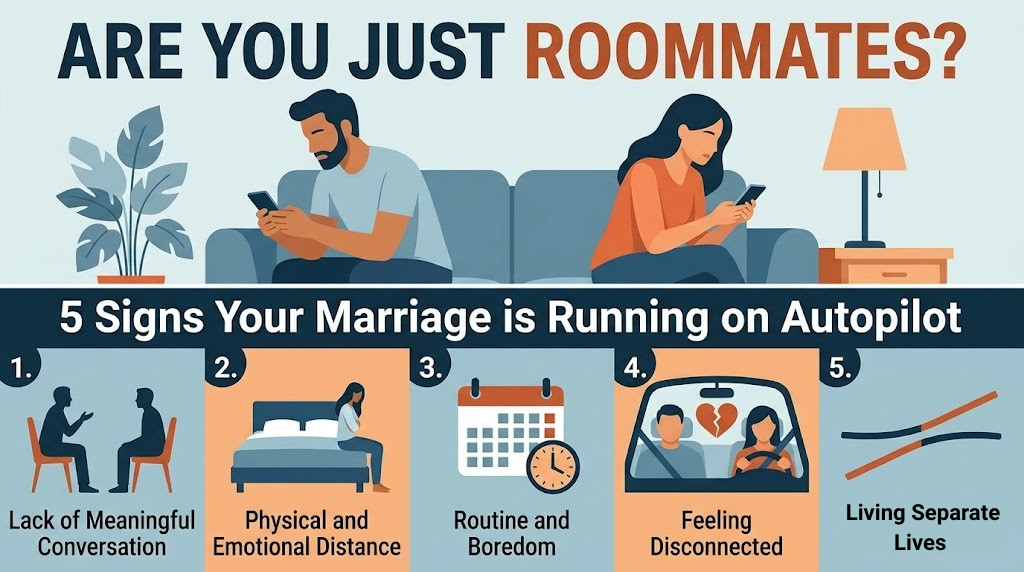
In many marriages, couples find themselves coasting along in a state where emotional connection and intimacy have dwindled. This phenomenon, often referred to as the “autopilot syndrome,” occurs when partners begin to function more like roommates rather than fulfilling romantic partners. The routines that once defined the relationship may become monotonous, leading to a lack of passion and emotional engagement.
When marriage runs on autopilot, partners might remain physically close but emotionally distant, engaging in day-to-day activities without a deeper connection. For instance, couples may share a home, manage household duties, and even raise children together, yet experience an absence of meaningful communication or affection. This situation is particularly concerning because it can result in feelings of isolation and dissatisfaction, impacting not just the partners but also the family dynamic.
Recognizing the signs of a marriage operating on autopilot is crucial. Early acknowledgment allows couples to address the underlying issues before they escalate into more significant problems. Many individuals might not realize the importance of emotional connection and intimacy until they find themselves in this state. Thus, understanding that marriages require ongoing effort and nurturing can be the first step towards reviving the relationship.
Ultimately, being conscious of this autopilot syndrome can serve as a catalyst for change. Couples who identify these signs can work together to rekindle their connection, fostering an environment where love and passion can flourish once again. By prioritizing open communication and shared experiences, partners can shift from merely cohabitating to creating a vibrant and loving partnership.
Sign 1: Lack of Communication
In many marriages that operate on autopilot, a significant indicator is the noticeable lack of communication. Couples often find themselves engaging in superficial conversations that revolve around daily responsibilities, such as chores, schedules, or financial matters. While discussing logistics is essential for managing a household, this type of dialogue does not contribute to emotional connection or understanding.
In contrast, meaningful communication involves sharing thoughts, feelings, and aspirations. It encompasses conversations that delve deeper into personal experiences, needs, and desires, which are crucial for fostering intimacy in a relationship. When couples neglect this aspect of communication, they may inadvertently drift apart, living in the same space but lacking a profound emotional connection.
An effective way to combat the tendency to drift into mundane conversations is to prioritize open dialogue. This can be achieved by setting aside dedicated time each week for discussions that allow both partners to express their feelings and thoughts without interruption. By doing so, couples can cultivate an environment of trust and understanding, helping to bridge the emotional gap that often characterizes autopilot relationships.
Furthermore, utilizing techniques such as active listening and expressing empathy can enhance communication. It’s essential for partners to not only share their thoughts but also to validate one another’s feelings. This reciprocal process nurtures a sense of intimacy and emotional support, critical components in keeping a marriage vibrant and engaged. Ultimately, prioritizing deeper conversations over mundane exchanges can significantly improve the relational dynamics, moving the couple away from the confines of roommate-like existence.
Routine Interactions
Routine interactions in a marriage can often signify that a relationship is running on autopilot. When conversations become predictable and interactions feel like a checklist, it may signify a deeper issue where emotional engagement is lacking. Couples may find themselves going through daily motions—such as asking about each other’s day, discussing household chores, or making dinner plans—without genuine curiosity or excitement. These uneventful exchanges can create a sense of emotional distance and boredom.
For instance, many couples might develop a pattern of discussing their day only during dinner, leading to similar topics being revisited. Instead of sharing new thoughts or experiences, partners may find themselves giving rote answers. Slipping into scheduled conversations reduces opportunities for meaningful dialogues. Engaging in discussions that spark curiosity and connection is critical for rekindling intimacy and enthusiasm.
Moreover, moments intended for relaxation, such as watching television together, may be filled with silence or mundane conversation. Couples can easily fall into the habit of zoning out, becoming more engaged with screens than with each other. Choices like binge-watching a series may offer temporary comfort but can contribute to a widening emotional gap if meaningful interactions are consistently sidelined.
To counteract routine interactions, couples should seek spontaneity and new experiences together. Introducing unplanned outings, embarking on shared hobbies, or even revisiting old date locations can evoke nostalgia and strengthen the bond. The goal is to break free from monotonous exchanges and reignite the vibrancy of conversation and emotional support.
Sign 3: Emotional Distance
Emotional distance within a marriage can manifest in various ways, resulting in a connection that feels more functional than intimate. When couples experience feelings of indifference or frustration toward each other, it often signifies a shift from a supportive emotional partnership to merely coexisting as roommates. This emotional detachment may be characterized by a lack of communication, minimal shared experiences, or an absence of the intimate moments that initially brought the couple together.
For instance, partners may find themselves reducing their conversations to logistical discussions, such as planning schedules or managing household chores, while neglecting deeper emotional exchanges. This shift can lead to a sense of companionship that lacks depth, leaving both individuals feeling isolated and unfulfilled. The absence of emotional vulnerability makes it difficult for couples to address conflicts or express their needs, resulting in unresolved issues that further deepen the chasm between them.
Another sign of emotional distance is the persistent presence of frustration. Where once there was affection and understanding, there may now be irritability and discontent. Partners may feel that they are giving and receiving very little support, leading to feelings of resentment. This emotional distance can manifest in the absence of physical touch, affectionate words, and shared laughter, all essential elements of a healthy relationship.
Ultimately, when emotional distance becomes the norm, couples can find themselves leading separate lives under the same roof. It is crucial to recognize these signs early on and address them proactively. This may involve open dialogue about emotional needs, seeking ways to reconnect, and investing time in the relationship to foster a sense of belonging and emotional support that is crucial for a thriving marriage.
Physical Affection is Nonexistent
In healthy marriages, physical affection serves as a crucial cornerstone for maintaining emotional intimacy and connection. However, when a couple starts to exhibit a marked decline in physical touch, it can signal deeper issues within the relationship. This absence of physical affection may manifest through a lack of hugging, kissing, or even simple gestures such as hand-holding that usually signify care and warmth.
The depletion of physical affection often leads to a broader emotional disconnect. Partners may feel isolated, despite living under the same roof, as the gestures that signify love and empathy diminish over time. The adage “out of sight, out of mind” becomes particularly relevant as both individuals may unconsciously retreat into their own worlds devoid of the comforting presence that physical touch provides.
Furthermore, this lack of affection can have significant repercussions on marital satisfaction. Research indicates that couples who engage in regular physical intimacy tend to report higher levels of happiness and emotional security in their relationships. On the contrary, those who find themselves devoid of touch may experience an increase in feelings of loneliness and frustration, perpetuating a cycle of emotional detachment.
It’s essential to recognize that physical affection is not merely about the act of touching, but rather about conveying an unspoken understanding and commitment to one another. When partners neglect this aspect, it may point to larger issues at play, such as unresolved conflicts or a general disinterest in nurturing the marital bond.
Addressing these concerns requires an open dialogue between partners about their needs and desires. Acknowledging the absence of affection is the first step towards rekindling intimacy, thus moving beyond the realm of merely cohabiting as roommates.
Sign 5: Individual Lifestyles Dominating Collective Life
In many marriages, it can be observed that partners, while living under the same roof, may start leading individual lifestyles that prioritize personal interests over collective activities. This phenomenon can gradually create a divide, fostering an environment where each partner becomes absorbed in their own routines, hobbies, and social circles. When personal interests overshadow shared experiences, it is a strong indicator that the marriage is operating on autopilot.
Couples may find themselves spending more time apart, engaging in activities that do not include their spouse. For instance, one partner might invest significant energy in a hobby, such as painting or sports, while the other indulges in separate pursuits, such as online gaming or reading. While having personal interests is important, a healthy marriage relies on collaboration and shared moments that reinforce the bond between partners.
When couples frequently prioritize their individual lifestyles at the expense of joint experiences, feelings of isolation can emerge. This separation diminishes the emotional connection that keeps the relationship vibrant and satisfying. It is crucial for couples to deliberately carve out time for mutual activities, such as dining together, embarking on joint trips, or engaging in shared hobbies. These moments of togetherness serve as vital touchpoints that nurture intimacy and foster a sense of unity.
In contrast, a balanced dynamic that intertwines individual passions with shared goals can rejuvenate a lagging marriage. Attempting new activities together or revisiting cherished pastimes can effectively rekindle the connection. Couples can also communicate their personal needs while remaining receptive to their partner’s desires, ensuring that both individual and collective interests are acknowledged. By striking this balance, couples can avoid drifting towards the isolation that threatens the foundation of their marriage.
The Importance of Self-Reflection and Assessment
In the context of a marriage that seems to be running on autopilot, self-reflection and assessment are critical for restoring connection and intimacy between partners. Regularly evaluating marital satisfaction can help couples identify areas that require attention and improvement. It is essential for both spouses to take the time to reflect on their feelings, needs, and the overall health of their relationship.
One effective method for couples to engage in self-assessment is through regular communication. This can take the form of weekly or monthly check-ins, where both partners openly discuss their thoughts and feelings about the marriage. It is vital for each individual to express their concerns and aspirations, fostering an environment where both can contribute to the conversation about their relationship dynamics.
Another approach involves utilizing questionnaires or self-assessment tools designed specifically for couples. These tools often include thought-provoking questions that encourage both partners to evaluate their individual and shared experiences in the marriage. By reflecting on various aspects such as emotional intimacy, conflict resolution, and shared goals, couples can gain valuable insights that may have previously gone unnoticed.
Furthermore, acknowledging one’s feelings and concerns lays the groundwork for addressing potential issues before they escalate. Each partner should be encouraged to express vulnerabilities without fear of judgment. This process of self-reflection creates opportunities for personal growth and encourages both individuals to take accountability for their roles in the relationship.
In essence, self-reflection and assessment enable couples to confront the reality of their marriage, helping them to shift from merely cohabiting as roommates to actively nurturing their connection. By prioritizing this introspective process, spouses can take proactive steps toward strengthening their bond and enhancing their overall marital satisfaction.
Reigniting the Spark: Tips for Couples
Maintaining a vibrant and loving connection in a marriage can be challenging, especially when the relationship begins to feel more like a partnership of convenience than a romantic bond. To navigate these feelings and reawaken the passion, couples can implement several effective strategies.
Engaging in new activities together is a powerful way to foster intimacy and excitement. Consider exploring a shared hobby or taking a class together. Whether it’s cooking, dancing, or even a new sport, participating in something novel can help rekindle a sense of adventure and foster teamwork between partners.
Communication is essential for any relationship. Couples should carve out dedicated time each week to have open, honest discussions about their feelings, needs, and desires, free from distractions. Utilizing communication exercises, such as active listening or the “I feel” statements, can promote deeper understanding and connection. This effort not only enhances emotional intimacy but also helps to clarify each partner’s expectations.
Prioritizing each other is another significant step toward revitalizing a marriage. Scheduling regular date nights or weekend getaways can provide the necessary space to connect without the distractions of daily life. During these moments, couples can reflect on their journey together, reminisce about fond memories, and set future goals that strengthen their partnership.
Additionally, showing appreciation for each other can go a long way. Small gestures, such as leaving encouraging notes or expressing gratitude for daily tasks, can foster an atmosphere of affection. This nurturing environment encourages both partners to maintain a sense of closeness and emotional support.
By incorporating these tips into their daily lives, couples can work towards transforming a roommate-like dynamic back into a vibrant romantic partnership, thus reigniting the spark that may have faded over time.
Conclusion: Taking Action Together
As we have explored throughout this article, identifying the signs that your marriage may be running on autopilot is crucial for couples wishing to revitalize their relationship. It is not uncommon for spouses to find themselves in a routine where communication and emotional connection may diminish over time. Recognizing this state of disconnection is the first step towards rekindling the passion and intimacy that once flourished. Thus, proactive measures must be taken to address these underlying issues.
Effective communication plays a vital role in reviving a marriage that feels more like a roommate situation than a partnership. Couples should prioritize open and honest dialogues about their feelings, needs, and desires. Initiating these discussions may feel daunting, but fostering an environment of trust and transparency is essential in resolving misunderstandings and rediscovering each other’s perspectives.
Moreover, mutual efforts are needed to breathe life back into the relationship. Couples might consider scheduling regular date nights, engaging in shared activities, or exploring new hobbies together. These experiences not only create opportunities for bonding but also inject novelty into the relationship, which can be instrumental in overcoming emotional stagnancy.
In essence, it is imperative for couples to recognize the importance of working collectively to enrich their connection. By taking proactive steps and making a concerted effort to communicate openly, partners can navigate through the phase of feeling like mere roommates and instead build a more robust, passionate partnership. Embracing these strategies enhances the marital experience and transforms the relationship into a fulfilling and vibrant journey.