How to Use ‘Agile’ Workflows to Stop Fighting Over Household Chores
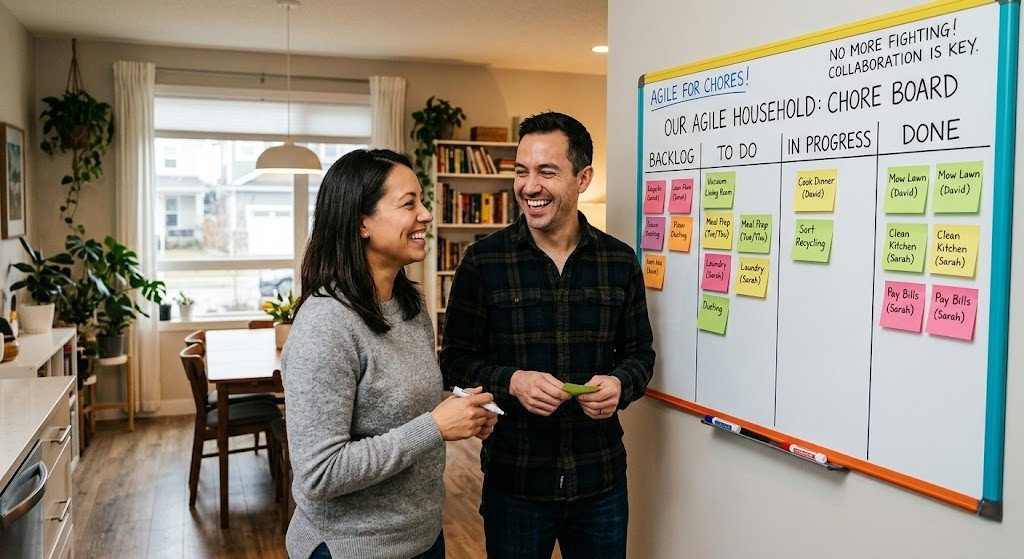
Introduction to Agile Workflows in Household Management
Agile workflows, primarily utilized in project management and software development, present an innovative approach that can significantly enhance the management of household chores. At their core, agile methodologies emphasize flexibility, collaboration, and iterative progress, making them ideally suited for the dynamic environment of a family home. By implementing agile principles, families can create a structured yet adaptable system to handle everyday tasks, ensuring chores are completed efficiently and collaboratively.
One of the most prominent features of agile workflows is the focus on teamwork. In a household setting, this translates to shared responsibilities among family members. Each individual has a role to play, which not only helps decrease the burden on one person but also fosters a sense of ownership and accountability. By outlining specific chores and responsibilities, families can establish a clear understanding of expectations, leading to smoother operations within the household.
Additionally, the iterative nature of agile work allows for constant reassessment and adaptation of tasks. This flexibility is particularly useful for households, where schedules and demands often change unexpectedly. By employing regular check-ins or family meetings, members can discuss what is working, what isn’t, and develop solutions accordingly. This responsive approach minimizes conflict and promotes a sense of unity, transforming chores from mundane obligations into collaborative family endeavors.
As we delve deeper into the applications of agile workflows in household management, we will explore specific strategies and tools that families can leverage to enhance their domestic efficiency. By embracing this method, households can achieve not only a cleaner living space but a more harmonious family dynamic.
Understanding Agile Principles
Agile methodologies have revolutionized project management, emphasizing flexibility, collaboration, and iterative progress. These principles can be beneficial not only in professional environments but also in managing household chores effectively.
At the heart of agile is the concept of iterative progress. In a household setting, this translates to breaking down chores into smaller, manageable tasks that can be tackled continuously. Instead of viewing chores as a lengthy and daunting list, families can adopt a more dynamic approach where each family member contributes their strengths over time, allowing for expedited completion of tasks. This method promotes a sense of accomplishment and motivates ongoing participation.
Another key principle of agile is customer collaboration, which, in the context of household management, means active participation from all family members. Each individual has unique needs and preferences regarding chore distribution. By fostering open discussions about responsibilities, families can collaboratively decide what tasks suit them best. Regular check-ins can help families adjust their plans based on feedback, ensuring everyone’s voice is heard and enhancing overall satisfaction.
Finally, responsiveness to change is crucial. In family life, unexpected situations arise frequently, such as schedule changes or personal commitments. The agile mindset allows families to adapt their chore plans as needed, reallocating tasks and resources quickly to accommodate these changes. This adaptive nature not only helps maintain harmony within the household but also mitigates stress and burnout.
In essence, implementing agile principles within household chores can lead to improved cooperation among family members, increased efficiency in completing tasks, and a more harmonious living environment. By embracing iterative progress, collaboration, and responsiveness, families can master the art of chore management and create a balanced home life.
Identifying Household Chores and Responsibilities
In any family, household chores play a crucial role in maintaining a harmonious living environment. These chores can be categorized into several types, including cleaning, cooking, laundry, and maintenance tasks. Identifying these responsibilities is essential for the successful implementation of agile workflows in family routines.
First, the cleaning tasks typically encompass areas such as vacuuming, dusting, and mopping floors. Each family member can be assigned specific cleaning duties based on their availability and preference, fostering a sense of accountability. Similarly, cooking duties may also be divided among family members, allowing for variety in meal preparation and encouraging younger members to develop essential culinary skills.
Another significant category includes laundry responsibilities, which may involve washing, drying, folding, and putting away clothes. Many families may already have informal arrangements regarding these tasks, but formalizing them can enhance organization and reduce the burden on any single individual. Maintenance chores, which include tasks such as yard work or fixing minor household issues, can also be identified to ensure that all family members contribute equally to the upkeep of their home.
After listing these chores, families should assess who is currently responsible for each task. This evaluation lays the groundwork for implementing agile workflows by providing transparency and clarity. By understanding current assignments, families can determine whether responsibilities are distributed evenly or if certain individuals are overwhelmed with particular chores. Thus, the next step in adopting an agile approach is to communicate openly about these findings, allowing families to redefine roles and redistribute workloads as necessary.
Creating a Chore Backlog
Establishing a chore backlog is the first step in implementing an effective agile workflow for household chores. A chore backlog is essentially a prioritized list of household tasks that need to be completed. The aim is to categorize these tasks based on their urgency and importance, ensuring that chores are addressed systematically and efficiently.
To start, gather all family members together and brainstorm a comprehensive list of chores that need regular attention. These tasks can range from routine cleaning activities such as vacuuming, dusting, and dishwashing to less frequent chores like seasonal deep cleaning and garden maintenance. It is vital for all family members to contribute to this list to ensure that everyone’s perspective and needs are considered. By including everyone, a sense of ownership is fostered, which can lead to a more motivated approach to completing the chores.
Once the chore list has been compiled, the next step is to categorize the tasks. This can be done using an urgent-important matrix, where chores are classified into four quadrants: urgent and important, important but not urgent, urgent but not important, and neither urgent nor important. Urgent tasks typically require immediate attention, such as taking out the trash or doing laundry before running out of clean clothes. Important tasks contribute significantly to household well-being but may not require immediate action, such as organizing a shelf or cleaning the garage.
Having established this structure, the backlog can be regularly updated to reflect changing household dynamics or tasks’ priority levels. As circumstances evolve, so will the chore backlog. This approach ensures that all family members have a clear understanding of their responsibilities while promoting efficiency and cooperation within the household.
Sprinting Towards Cleanliness: Implementing Chore Sprints
Adopting the concept of sprints from agile methodology can significantly enhance the efficiency and effectiveness of managing household chores. Chore sprints represent focused time intervals during which family members collaborate to complete specific tasks, fostering a sense of teamwork while maintaining a clear objective. To implement chore sprints effectively, first, identify and categorize household chores based on priority and complexity. This allows for a streamlined approach to tackling chores without feeling overwhelmed.
Once you have a chore list, set a duration for each sprint, typically between 15 to 30 minutes, depending on the tasks at hand. This time-bound approach encourages family members to work swiftly and efficiently, maximizing productivity. To maintain enthusiasm and motivation, consider incorporating a fun factor into the chore sprints. For example, use timers with a countdown, play upbeat music, or establish friendly competition among family members to complete tasks, rewarding those who finish first.
Communication is key during chore sprints. Organize a brief meeting before starting to discuss the objectives, delegating tasks so everyone knows their responsibilities. This ensures clarity and minimizes misunderstandings during the sprint. Additionally, it helps in aligning household roles with personal strengths, making the chore completion process smoother.
After the sprint, take a moment for reflection. Encourage family members to discuss what went well and areas for improvement. This assessment not only reinforces teamwork but also builds a positive atmosphere around household chores. Ultimately, implementing chore sprints in your family routine can lead to a more organized living space, increased accountability, and a greater sense of accomplishment for everyone involved.
Daily Stand-Ups: Enhancing Communication
Implementing daily stand-ups is an effective approach for families seeking to enhance communication while managing household chores. These brief, regular check-ins provide an organized framework for family members to share their progress, outline tasks for the day, and discuss any potential roadblocks they may encounter. By fostering an environment of open dialogue, families can significantly improve collaboration and understanding amongst all members.
The concept of daily stand-ups originates from agile methodologies, primarily utilized in software development. However, this principle can be seamlessly adapted to household management. Each morning, family members can gather for a 10 to 15-minute stand-up meeting, allowing everyone to share their priorities for the day. This practice not only encourages accountability but also ensures that responsibilities are balanced and clear. For instance, if one family member mentions that they are facing challenges with a particular task, others may offer assistance or suggest alternative strategies.
Additionally, these daily meetings can help track the ongoing success of various chores and responsibilities, providing opportunities for recognition of achievements within the household. Encouraging support and celebration of small victories helps build a positive family dynamic, which can motivate members to stay committed to their tasks. Moreover, regularly scheduled check-ins also allow families to reassess their priorities and make adjustments as needed, ensuring that the workload remains manageable for everyone involved.
In summary, daily stand-ups serve as an invaluable tool for families striving to balance household chores effectively. This agile approach enhances communication, facilitates collaboration, and allows families to navigate their responsibilities with greater ease. By adopting this simple yet powerful practice, families can create a harmonious environment that promotes shared accountability and collective progress.
Retrospectives: Reviewing Chore Processes
The practice of retrospectives is a fundamental element of agile workflows, serving to foster continuous improvement, particularly in the context of household chores. For families looking to manage their chore distribution and responsibilities more effectively, implementing a structured retrospective process can bring significant benefits. This entails setting aside dedicated time, perhaps weekly or bi-weekly, to sit down together and discuss the chore management practices that were followed during the preceding period.
During these sessions, families should openly and constructively evaluate what aspects of their chore processes worked well. This might involve recognizing individuals who took initiative, identifying efficient strategies for completing tasks, or celebrating effective teamwork. Acknowledging successes not only boosts morale but also reinforces positive behaviors and practices that can be replicated in future iterations of household chore management.
However, retrospectives should also focus on areas that did not perform as anticipated. It is crucial for families to create an environment where members feel comfortable discussing challenges and failures. This could include missed deadlines, lack of communication, or imbalances in workload. By openly addressing these issues, families can collaboratively brainstorm actionable solutions, ensuring that everyone has a voice in shaping the household processes. Techniques such as the ‘start, stop, continue’ framework can be particularly useful in guiding discussions, as they encourage family members to articulate new ideas, suggest practices to discard, and highlight ongoing strategies that remain effective.
Finally, the retrospective should conclude with a shared commitment to specific improvements and a clear plan for implementing them in upcoming weeks. By incorporating regular retrospectives into their routine, families can establish a culture of accountability and adaptation, essential for navigating the complexities of household chores effectively.
Adjusting Workflows Based on Feedback
One of the fundamental principles of Agile methodologies is the capacity for adjustment based on real-time feedback. In a family setting, this principle translates effectively into household chores and responsibilities. Encouraging all family members to provide input on their experiences with the established workflows can lead to significant improvements in efficiency and satisfaction. By fostering an open dialogue regarding chores, families can better understand each other’s preferences, workloads, and availability, allowing for adjustments that suit everyone’s needs.
Start by establishing regular check-ins, perhaps as part of a family meeting or a casual dinner conversation, where each member can express their viewpoints on current workflows. Questions such as “What is working well?” and “What challenges have you faced this week?” can elicit constructive feedback. This open communication not only empowers family members but also cultivates a culture of respect and collaboration. As a collective unit, families should consider reviewing the existing chore assignments periodically to ensure they align with changing schedules or responsibilities, making dynamic adjustments whenever necessary.
Moreover, families should be aware that feedback may lead to the identification of new priorities or unexpected obstacles. For instance, a child may have extracurricular activities that require a shift in chore duties, or a parent may have an unexpected work commitment. Being flexible and adapting the workflow promptly can prevent unnecessary stress and foster a home environment where everyone feels valued and able to contribute. In this way, adapting workflows based on ongoing feedback ensures that the responsibilities of maintaining a household are met collaboratively, making the process more efficient and enjoyable for all family members.
Conclusion: The Benefits of Agile Workflows in Household Management
In conclusion, employing agile workflows in household management offers families a structured yet flexible approach to tackle chores and responsibilities. By applying agile principles, families can effectively distribute tasks, ensuring that every member contributes to the overall upkeep of the home environment. This not only enhances efficiency but fosters a sense of teamwork among family members.
One of the primary benefits of introducing agile workflows is the ability to prioritize tasks based on urgency and importance. Families can implement tools such as kanban boards or daily stand-up meetings to keep track of chores while allowing for adjustments based on changing schedules. This dynamic approach minimizes conflicts over responsibilities, as everyone has a clear understanding of what is expected of them at any given time.
Moreover, adopting agile methodologies encourages open communication within the family unit. Regular check-ins and feedback sessions can help address challenges that arise, promoting a more harmonious living environment. By collaboratively discussing tasks and expectations, family members are less likely to feel overwhelmed or resentful, which can often lead to tension.
The simplicity and adaptability of agile workflows make them applicable to any household structure, regardless of size or complexity. As families improve their chore management through agile practices, they are likely to experience an increase in overall satisfaction and reduced stress levels. Ultimately, the successful integration of these strategies can lead to a balanced and cohesive household dynamic, where chores are managed effectively and family relationships are strengthened.